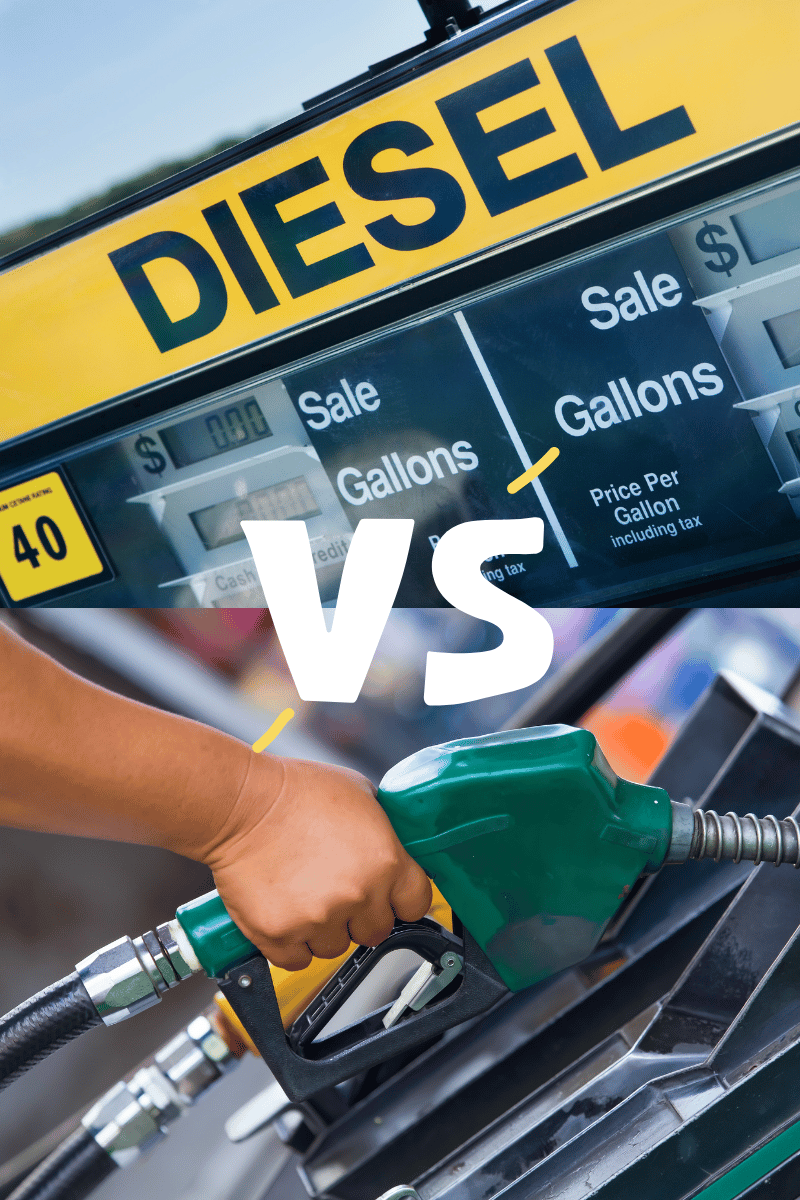
Yes, there is a difference when driving a diesel vehicle versus a gasoline vehicle.
Diesel engines are heavier and more powerful, so they tend to accelerate more slowly and have more torque than gasoline engines. In terms of handling, diesel vehicles generally have more weight and a higher center of gravity, so they may feel a bit more sluggish in turns.
When it comes to fuel economy, diesel vehicles tend to be more efficient than gasoline vehicles, as they use less fuel to travel the same distance. This means you’ll be able to drive further on a tank of diesel than you would with gasoline.
In terms of performance, diesel engines tend to be quieter and more reliable than gasoline engines. However, diesel engines require more regular maintenance and can be more expensive to repair when something goes wrong.
Finally, diesel engines produce more exhaust than gasoline engines, so they can be more polluting. This has led to some countries, such as the UK, introducing regulations to limit diesel vehicle emissions.
Overall, there are a number of differences between diesel and gasoline vehicles when it comes to driving, fuel economy, performance, and emissions. Ultimately, it boils down to personal preference and whether you’d prefer the power of a diesel engine or the convenience of a gasoline engine.
If you have another question about cars – feel free to ask it at carkeepers.club. It takes less than 24 hours to get an honest answer from a car mechanic.