Yes, there is a difference when you drive a conventional car and an electric car.
When you drive a conventional car, you typically feel the engine revving up and the transmission shifting gears as you accelerate and decelerate. This provides a sensory experience that is not felt when electric cars are driven. Electric cars tend to be very smooth, with few vibrations or sounds coming from the powertrain.
Another difference when driving a conventional car is the need to shift manually if the car has a manual transmission. This is not required for electric cars, as they are powered by electric motors and do not have a transmission.
Electric cars also tend to accelerate faster than conventional cars due to the instant torque provided by the electric motor. This makes electric cars more responsive and allows them to get up to speed faster when needed.
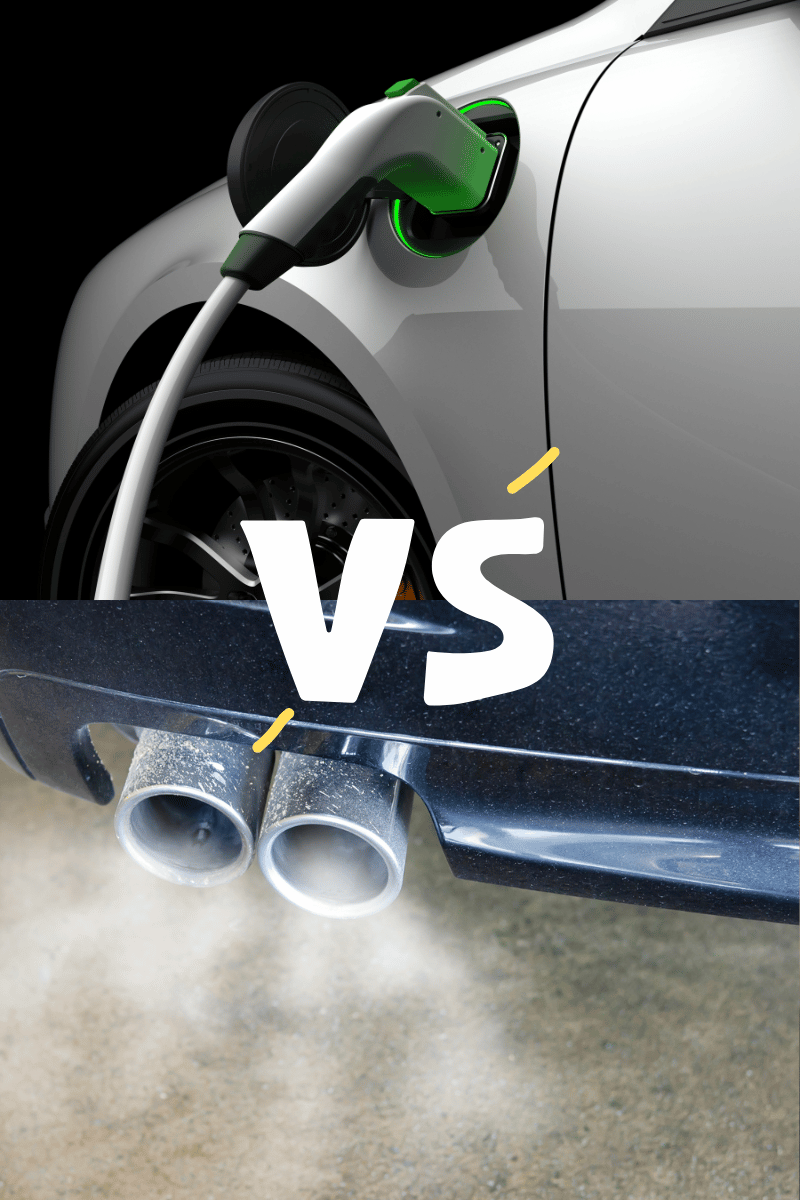
Furthermore, electric cars are quieter than conventional cars. This is largely due to the lack of internal combustion engine noise, as electric cars are powered by electric motors. This can be a benefit, especially in cities, where noise pollution is a major issue.
When it comes to the cost of ownership, electric cars are typically pricier than conventional cars to repair due to its novelty and unavailability of certified technicians and parts, especially in remote areas. On the other hand, EVs do not require most of the maintenance procedures that conventional cars do, as there are simply fewer components moving. As a result, electric cars can often save money in the long run due to lower fuel costs and lower maintenance costs.